
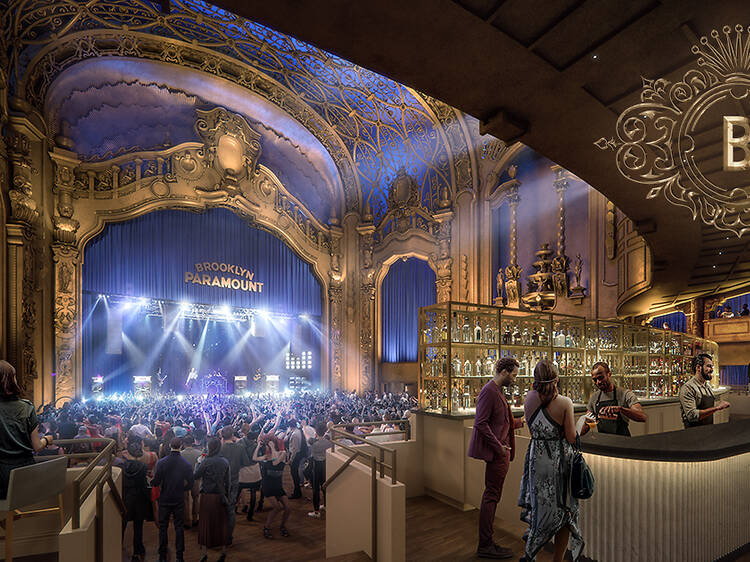
A great live music bangorartsexchange experience involves much more than a talented performer.
The artist matters, of course, but the venue, audience, sound, atmosphere, organization, and surrounding environment all contribute to how people remember an event.
Two concerts featuring the same musician can feel completely different depending on where they take place.
A well-designed and thoughtfully managed venue can turn an ordinary performance into an unforgettable evening.
The Atmosphere Begins Before the Music
The experience starts when people arrive.
The appearance of the building, entrance, surrounding neighborhood, and interior can influence expectations.
A distinctive venue can create excitement before the first song begins.
Once inside, lighting, architecture, decorations, seating, and the arrangement of the room all contribute to the atmosphere.
These details may seem small, but together they create the personality of a venue.
Sound Quality Matters
Good sound is essential to live music.
Audiences want to hear performers clearly.
Musicians need to hear themselves and other members of their group.
Professional sound management can make a significant difference.
The acoustics of a room also matter.
Some spaces naturally create warm and intimate sounds, while others are designed to produce powerful volume.
A successful venue understands its physical environment and uses appropriate equipment to achieve the best possible experience.
The Relationship Between Artist and Audience
Live music works best when performers and audiences connect.
A good venue encourages that connection.
In an intimate room, performers may be able to see individual audience members.
They can respond to reactions, tell stories, and create spontaneous moments.
Audiences also feel more involved.
Instead of watching a distant figure on a large screen, they experience the performer as a person in the same physical space.
Comfortable Spaces Encourage People to Stay
Comfort is another important factor.
People are more likely to enjoy an event when the environment is welcoming and well organized.
Clear entrances, appropriate seating or standing areas, good visibility, and convenient facilities can all improve the experience.
When visitors feel comfortable, they can focus on the performance rather than logistical problems.
A Diverse Event Calendar
A great venue should offer variety.
Different audiences have different musical interests.
Some people prefer acoustic performances.
Others enjoy energetic rock concerts, jazz, folk music, experimental projects, or contemporary performances.
A diverse calendar gives audiences opportunities to discover new artists and styles.
It also creates opportunities for musicians with different creative approaches.
Supporting Emerging Talent
A venue’s reputation is often strengthened by the artists it helps develop.
Emerging musicians need places where they can gain experience.
A venue that welcomes newer performers contributes to the long-term health of the local music scene.
Audiences also benefit because they get the opportunity to discover artists early in their careers.
Some of those performers may eventually become major names.
The Importance of Staff
Behind every successful event is a team of people.
Staff members handle tickets, audience questions, technical needs, security, scheduling, hospitality, and many other responsibilities.
Their work may not be visible when everything goes smoothly, but it is essential.
Friendly and professional staff can make visitors feel welcome.
They also help performers feel supported.
Historic Character and Modern Function
Some of the most memorable venues combine historic character with modern functionality.
An older building may provide distinctive architecture and atmosphere while modern improvements provide reliable sound, lighting, accessibility, and comfort.
This balance can create a unique experience.
Visitors get the character of a historic space without sacrificing the expectations of contemporary audiences.
Location Matters
The surrounding area can influence the overall experience.
A venue located near restaurants, cafes, shops, or other attractions can encourage visitors to make an entire evening out of an event.
People may arrive early, have dinner, attend a concert, and continue socializing afterward.
This turns the performance into part of a larger experience.
Building a Loyal Audience
A great venue does not simply attract visitors once.
It gives people reasons to return.
Consistent programming, quality performances, welcoming staff, and memorable experiences can create loyalty.
Regular audience members may eventually become part of the venue’s community.
They recognize staff, follow performers, recommend events, and encourage friends to attend.
This creates a sense of belonging.
Creating Memorable Moments
The best live events often contain unexpected moments.
A musician may tell a personal story.
A surprise collaboration may happen.
The audience may sing along to a favorite song.
A performer may improvise.
These moments cannot be completely planned.
A good venue creates an environment where they can happen naturally.
The Role of Community
A venue becomes stronger when the surrounding community supports it.
Local audiences provide regular attendance.
Artists provide creative energy.
Businesses can become partners.
Volunteers can contribute time.
Community organizations can develop collaborative programs.
The venue becomes part of a larger cultural network.
Conclusion
A great live music venue is much more than a room with a stage.
It combines atmosphere, sound, architecture, organization, comfort, programming, and community.
When these elements work together, audiences can experience something that stays with them long after the final performance.
The best venues create an environment where artists feel comfortable expressing themselves and audiences feel connected to the experience.
That is what transforms a concert from a simple event into a memorable cultural occasion.